Skip to content

Products

Protein-PCR™ for Neurological Diseases

Bring blood-based TBI and Alzheimer's biomarker testing to the qPCR systems you already own, deliver validated performance at an affordable cost and built to scale, empowering clinicians and researchers alike.

Overview

At AperionDx, we're not just building diagnostics — we're reshaping them.

Our platform delivers unmatched accuracy in protein detection while being designed for scalability, ensuring reliability across studies of all sizes.

Key Products

Our Solutions

Powered by Protein-PCR, detect Traumatic Brain Injury (TBI) and Alzheimer's disease (AD) earlier on standard qPCR systems to inform care decisions sooner and track change over time.

Alzheimer's Disease Detection

Our AD blood biomarker kit quantifies four widely validated markers (Aβ40, Aβ42, pTau181, and pTau217) from standard blood samples at very low concentrations. Its ultra-sensitive performance supports early detection (reports of ≥97.5% PPA/NPA vs. Simoa®/ELISA) and the potential to identify risk 10+ years before clinical symptoms in studied populations.

Biomarkers quantified

  • Aβ40
  • Aβ42
  • pTau181
  • pTau217
≥ 97.5% PPA/NPA
reports of, vs. Simoa®/ELISA
10+ years
Potential to identify risk before clinical symptoms, in studied populations
Traumatic Brain Injury Detection

Our TBI blood biomarker kit quantifies validated markers (GFAP, ALDOC, NGRN, BDNF, and ST2) from standard blood samples at very low concentrations, enabling early assessment, risk stratification, and ongoing monitoring after injury. In comparator studies with Simoa®/ELISA, the assay achieved ≥97.5% PPA/NPA, indicating strong agreement with established methods and supporting scalable, in-house use.

Biomarkers quantified

  • GFAP
  • ALDOC
  • NGRN
  • BDNF
  • ST2
≥ 97.5% PPA/NPA
in comparator studies with Simoa®/ELISA
Early assessment
Risk stratification and ongoing monitoring after injury

Future of Protein-PCR

We aim to expand our Protein-PCR technology to address a broad range of applications, including Parkinson's disease, multiple sclerosis, potentially other neurological diseases, various cancers, and other conditions that demand ultra-sensitive detection. AperionDx welcomes collaborations for companion diagnostic applications, and developing custom biomarker assays for use in drug development.

How It Works

Inside Protein-PCR

A streamlined process that makes diagnostics faster, smarter and more reliable.

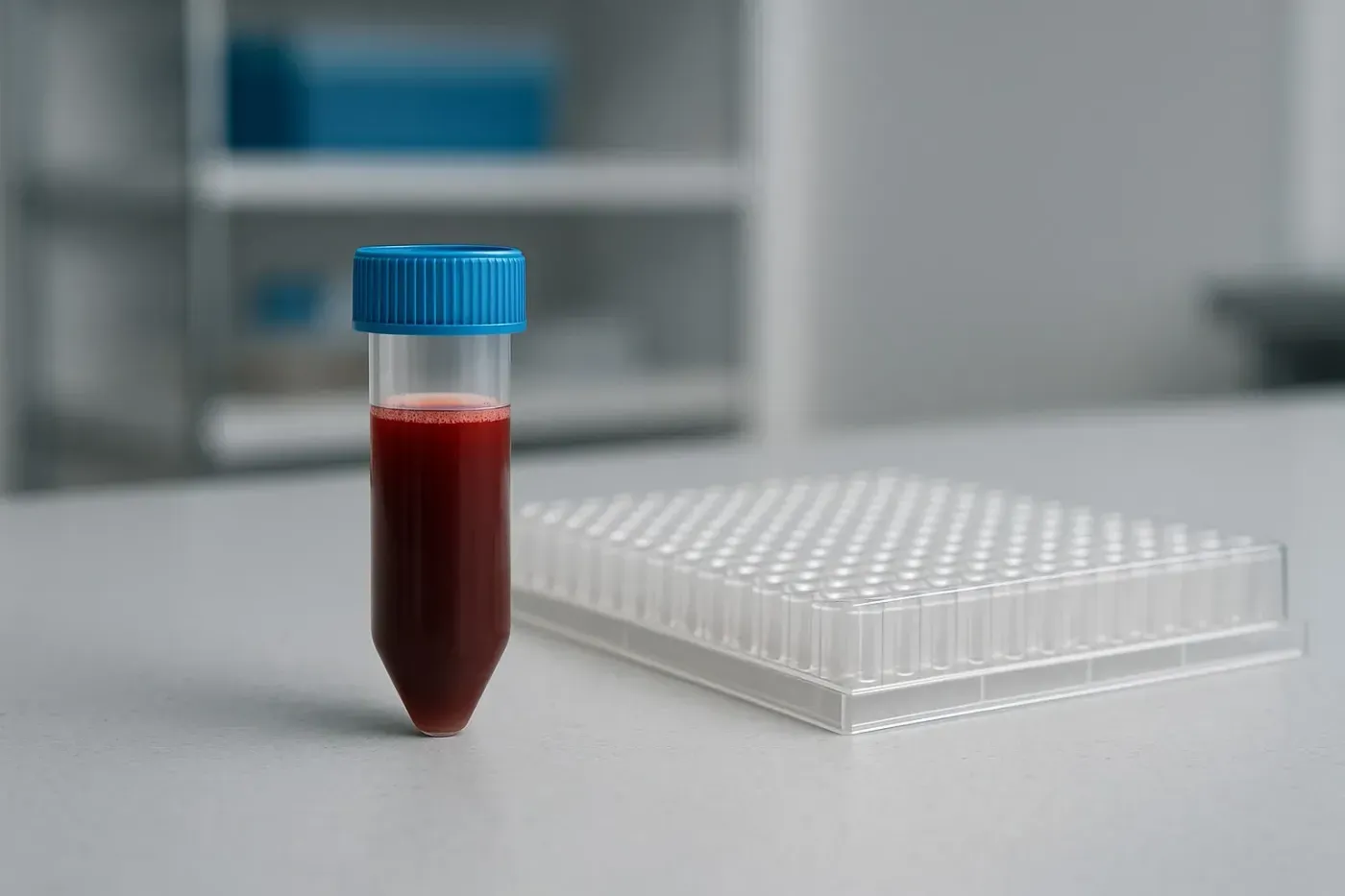
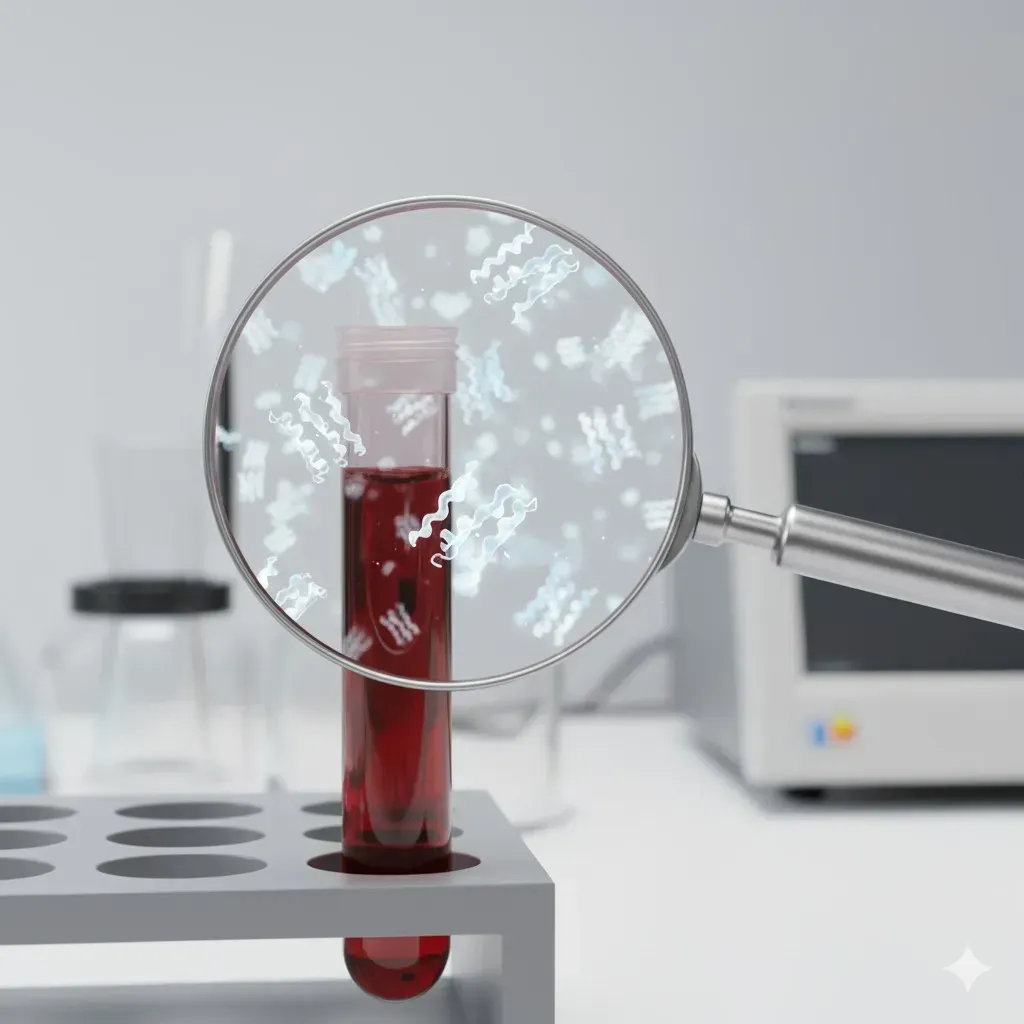
  1. A blood sample tube being examined in a laboratory
    01 Blood-based

    Detect

    Measure full panels of disease-specific biomarkers from blood samples at extremely low concentrations.

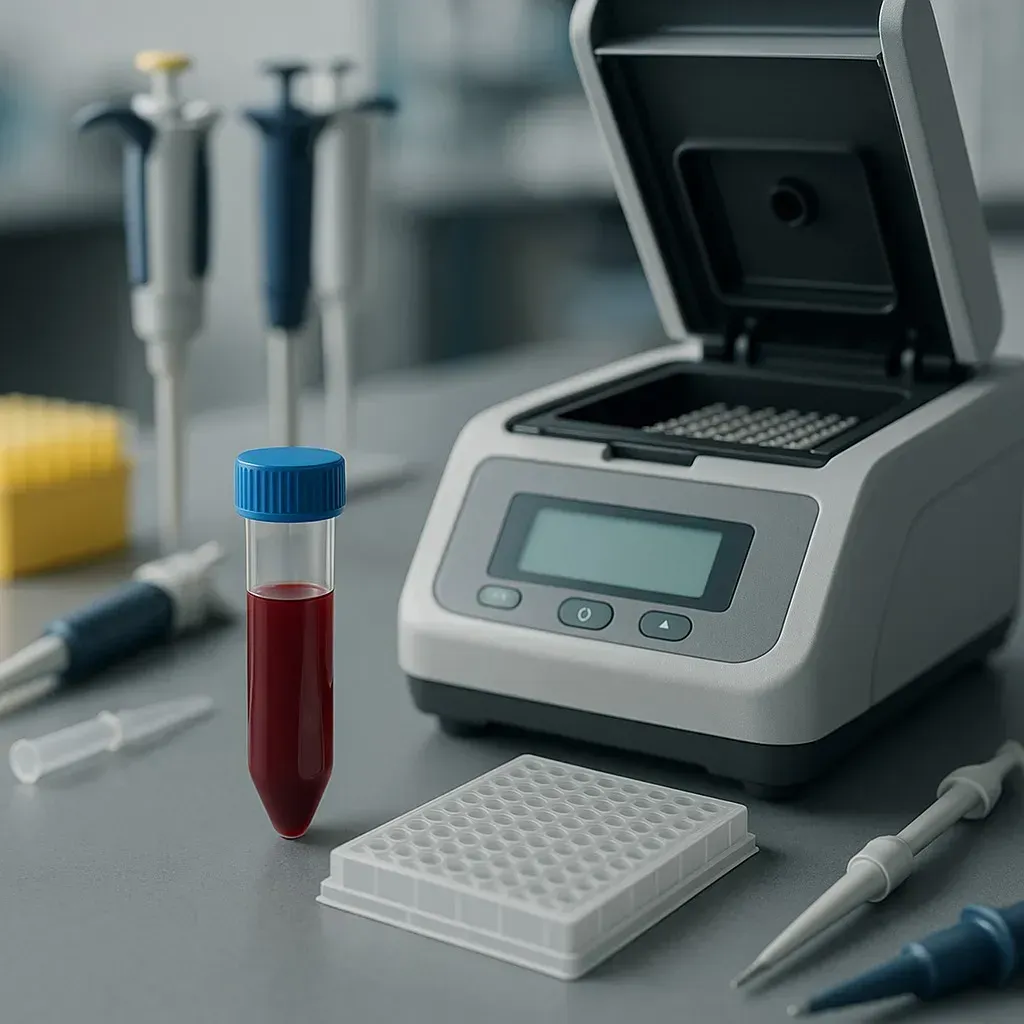
  2. A blood sample tube beside a 96-well microplate
    02 up to 350 / plate

    Scale

    Compatible with 96- and 384-well plates, allowing processing of up to 350 samples per run.

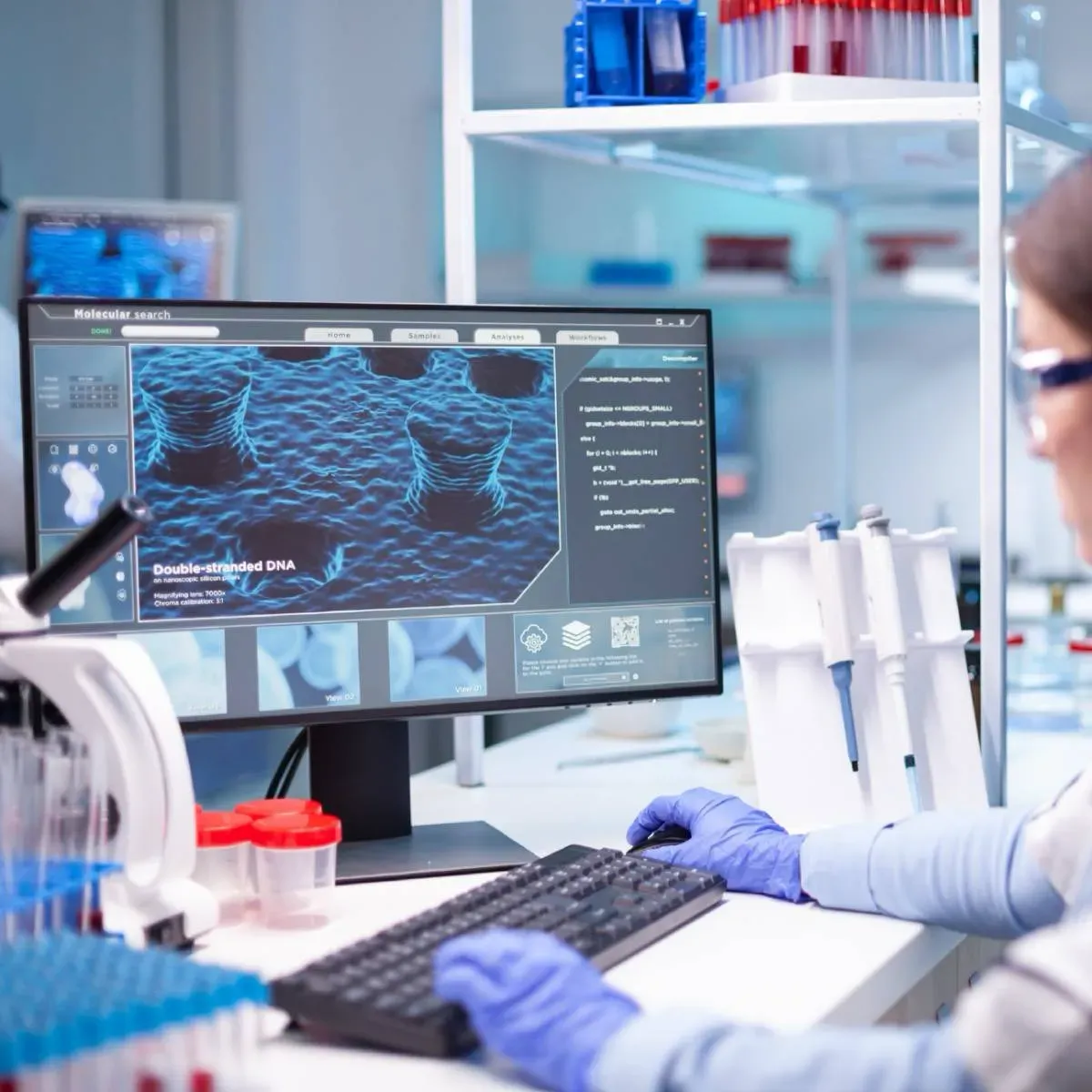
  3. Laboratory pipettes, a thermocycler and a 96-well plate on a bench
    03 1.5-4 hrs

    Deliver

    Turnaround Time (TAT) in 1.5-4 hours for quicker, clearer next steps and deeper insights.

Use Cases

Trusted Across Industries

From research to patient care, AperionDx empowers progress everywhere.

A researcher working at a microscope in a laboratory
01

Research Labs

Accelerating scientific research and discovery with high sensitivity at a low cost with tools available in most labs.

Clinical staff at work in a hospital setting
02

Hospitals & Clinics

Supporting patient outcomes with fast and highly accurate disease diagnosis and monitoring.

*Upon completion of FDA review of clinical data

Laboratory bench with sample vials and molecular analysis on screen
03

Biotech Companies

Empowering innovation in drug development by testing the most valid full-panel biomarkers.

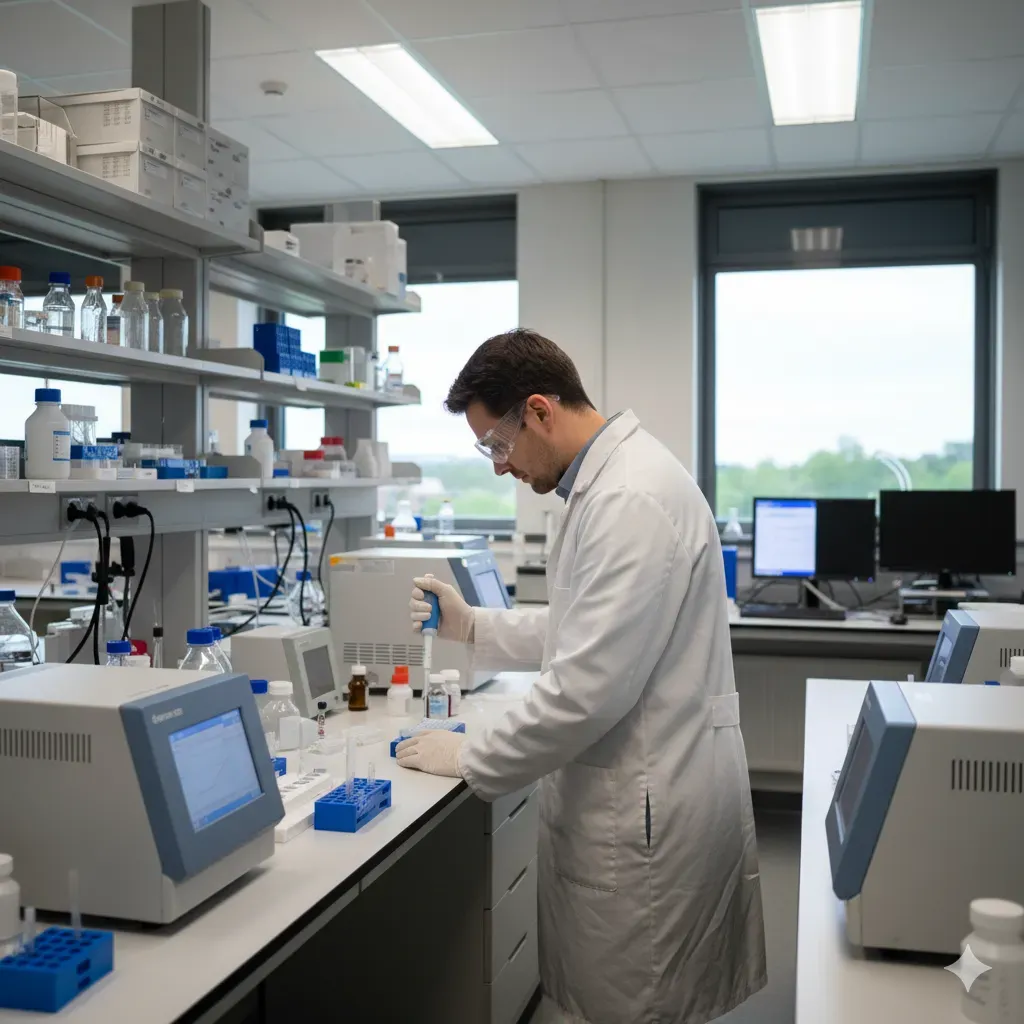
A laboratory technician operating analytical instruments
04

Pharma & Drug

Enabling large-scale cohorts and clinical trials by quick and scalable biomarker testing.

FAQ

Questions labs ask us.

01

What is Protein-PCR?

Protein-PCR enables ultra-sensitive detection of disease biomarkers using standard qPCR instruments already present in laboratories worldwide, delivering rapid, accessible, sensitive and scalable biomarker testing.

02

Do I need to buy new instruments to run it?

No. Protein-PCR runs on widely available generic qPCR systems, and no proprietary hardware is required. Competitive platforms use proprietary instruments costing >$70,000 to $600,000.

03

Which biomarkers can it detect?

Protein-PCR is unrestricted in the proteins it can detect with very wide linear range assays. These include tests for infectious disease and cardiac analytes as well as those essential for detecting neurological diseases. The Alzheimer's disease panel quantifies four widely validated markers: Aβ40, Aβ42, pTau181 and pTau217. The traumatic brain injury panel quantifies GFAP, ALDOC, NGRN, BDNF and ST2.

04

What sample type does it use?

Standard blood samples – serum and plasma have already been qualified. Other samples maybe used but have not been yet qualified. Both TBI and AD kits quantify their biomarkers from blood at very low concentrations.

05

How does performance compare with existing methods?

In split sample testing with an independent, experienced laboratory, Protein-PCR performed in strong agreement with SIMOA for GFAP and BDNF, R² = 0.86 and 0.85, respectively and better than the combination of SIMOA and ELISA:

Protein-PCR AD TBI
PPA 100% 97.7%
NPA 97.5% 100%
06

What is the turnaround time?

Turnaround Time (TAT) in 1.5-4 hours for quicker, clearer next steps and deeper insights. This is significantly faster than some competitive platforms.

07

How many samples can be processed per run?

Up to 350 samples per plate. Protein-PCR is compatible with both 96- and 384-well plates.

08

How early can Alzheimer's risk be identified?

The AD kit's ultra-sensitive performance supports early detection and the potential to identify risk 10+ years before the appearance clinical symptoms.

09

Does it replace imaging or cerebrospinal fluid testing?

No. Protein-PCR is designed to complement imaging and Cerebrospinal Fluid (CSF) assays for diagnostic accuracy and research insight.

10

Can Protein-PCR be used in hospitals and clinics for human diagnostics?

Use in hospitals and clinics only applies upon completion of clinical trials' data review and clearance by the FDA. Protein-PCR currently supports use in research labs, biotech companies, and pharma and drug development.

11

What is next for Protein-PCR?

AperionDx aims to expand the technology to Parkinson's disease, multiple sclerosis, potentially other neurological diseases, various cancers, and other conditions that demand ultra-sensitive detection. AperionDx welcomes collaborations for other research applications, companion diagnostic tests and custom biomarker assays for drug development.

Contact Us

Ready to Redefine Diagnostics?